After Sudbury
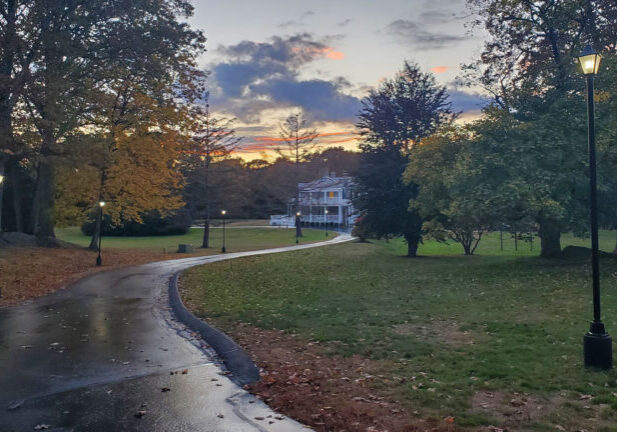
What happens when students leave a school with no grades, no required classes, and no externally imposed curriculum? The essays here follow Sudbury graduates into adulthood, college, careers, and life beyond school. They address common questions and concerns while offering a long view of development — one that values adaptability, self-knowledge, and confidence over short-term academic metrics.
How Children Learn
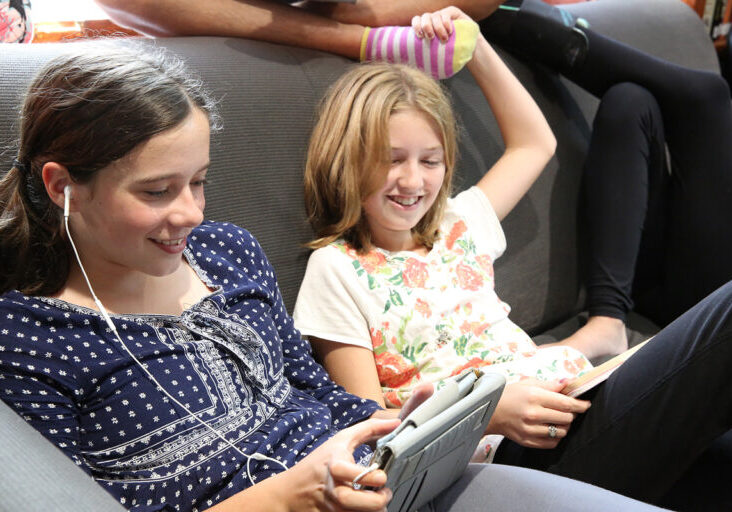
Children are born learners. When given time, space, and freedom, they explore the world with intensity, curiosity, and purpose. This section focuses on what learning looks like in the absence of coercion — how skills develop through play, interest, experimentation, and real engagement with others. These essays challenge familiar assumptions about teaching and reveal learning as a natural, lifelong process.
Life in a Democratic School
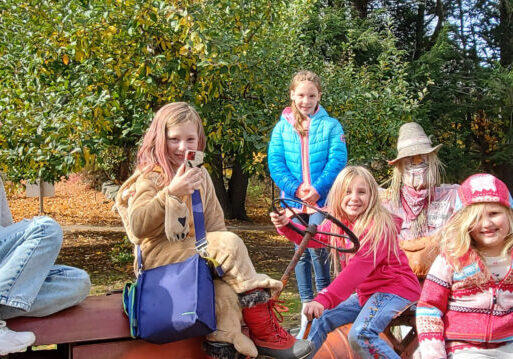
Sudbury Valley School is not governed by adults for children, but by a community of equals. This section describes what that looks like in practice: School Meeting, the Judicial Committee, shared responsibility, and the everyday work of living together democratically. These essays show how structure and freedom coexist — and how accountability, fairness, and respect are learned by doing, not by instruction.
-
Running a School
These books focus on how a Sudbury school works in practice. They describe the structures, systems, and daily responsibilities that support a democratic community. From foundational documents to detailed guides on starting and operating a school, this collection is especially useful for educators, founders, and anyone curious about how the model is sustained over time.
The Sudbury Idea
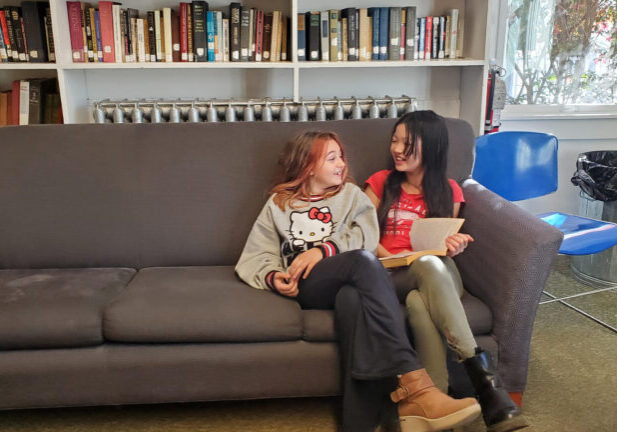
The Sudbury model rests on a small number of simple assumptions about children, learning, and human development — assumptions that often run counter to conventional schooling. The essays in this section explore why the model exists, what it is (and is not), and how it compares to other educational approaches. Together, they articulate a coherent philosophy: that young people, when trusted with real freedom and responsibility, are capable of directing their own lives and learning.
Viewpoints
These books explore the ideas, experiences, and questions that shape the Sudbury model from many angles. Some are philosophical, some are personal, and some are grounded in daily life at the school. Together, they offer a deeper look at childhood, learning, society, and what it means to grow up with freedom and responsibility.
Next Open House: Saturday, Oct 24, 1pm – 4pm RSVP today

Resources
Collections
Is Sudbury Valley Right For You?
Have more questions? Interested in visiting the campus? We’d love to hear from you.